Advantages of Multilingualism for Future Leaders


Multilingualism is the ability to communicate in more than one language, turning everyday conversations into gateways to knowledge, culture, and confidence. In this blog, you’ll explore the advantages of multilingualism, how it sharpens the mind, boosts academic growth, and prepares students for global opportunities, along with easy ways to start learning. Help your child speak boldly and think globally with PlanetSpark’s expert-powered communication programs.
Top Advantages of Multilingualism for Students
Learning multiple languages strengthens the mind, improves communication, and builds global opportunities for students. Below are the top ways multilingualism shapes smarter, confident, future-ready learners and empowers them to succeed academically, socially, and professionally.
1. Strong Brain Development & Memory Power
Multilingual students constantly switch between languages, sharpening their mental processing. This strengthens memory, boosts focus, and trains the brain to handle complex tasks with ease. The mental workout from learning languages supports faster thinking, better recall, and lifelong cognitive fitness, making students sharper and more alert.
2. Improved Academic Performance
Knowing multiple languages enhances comprehension, grammar awareness, and critical thinking. Students naturally become better at understanding concepts, writing clearly, and analyzing information. Language learning builds discipline and strengthens learning habits, helping students score better across subjects, including math, science, and humanities, through enhanced mental clarity.
3. Better Communication & Confidence
Multilingual learners develop clear speaking, active listening, and strong expression skills. They feel confident interacting with peers, teachers, and new people. The ability to communicate beyond one language reduces hesitation, builds stage presence, and empowers students to speak boldly in discussions, debates, and interviews.
4. Global Career Opportunities
Being multilingual gives students a competitive advantage in global professions such as technology, tourism, diplomacy, and international business. Employers value candidates who can connect with global clients and teams. Knowing multiple languages increases employability, career choices, and earning potential—opening doors to international internships, jobs, and leadership roles.
5. Cultural Awareness & Social Intelligence
Understanding multiple languages brings exposure to different cultures, traditions, expressions, and thinking styles. Students become more empathetic, respectful, and open-minded. This cultural intelligence helps them build stronger relationships, adapt to diverse environments, and become responsible global citizens ready for cross-cultural collaboration and teamwork.
6. Enhanced Creativity & Problem-Solving
Learning languages boosts imagination and flexible thinking. Students learn to express ideas in different ways, helping them think creatively and solve problems from unique perspectives. Multilingual brains explore options, make connections faster, and innovate confidently, which is especially helpful in creative fields, science, and entrepreneurship.
7. Stronger Social & Emotional Skills
Multilingual students often communicate confidently, handle conversations smoothly, and connect easily with others. Language learning improves patience, discipline, resilience, and emotional expression. It also builds self-esteem, helping students manage stress and interact positively in diverse environments, skills essential for modern academic and personal success.
8. Better Travel & Study Abroad Advantages
Speaking multiple languages makes travel more meaningful and safer. Students can communicate independently, understand directions, and enjoy real cultural experiences. This skill also helps secure international scholarships, exchange programs, and admissions to top universities, making multilingual students stand out as globally prepared learners.
9. Broader Access to Knowledge & Media
Multilingual students enjoy books, videos, news, and education resources in different languages. They can learn from global research, international experts, and multiple cultural perspectives. This broader access to knowledge builds curiosity, expands understanding, and enhances learning beyond classroom boundaries—creating well-informed thinkers.
10. Lifelong Cognitive & Mental Health Benefits
Research shows that multilingual individuals maintain stronger brain function as they age. Speaking multiple languages delays cognitive decline, improves memory retention, and supports long-term mental health. Students benefit early and continue enjoying sharper thinking, mental flexibility, and healthy brain functioning throughout life.
Why Multilingualism Matters Today
Countries, companies, universities, and markets are now borderless. Technology, remote work, foreign universities, global internships, study visas, and global business networks have made multilingual ability a valuable global skill.
Students who speak multiple languages:
- Compete globally
- Build stronger careers
- Unlock scholarships and global admissions
- Connect with diverse people
- Develop lifelong mental flexibility
In simple words, multilingualism is a future-ready skill.
Help your child transform from shy to shining with guided speaking, writing, and storytelling practice at PlanetSpark.
How Students Can Excel in Multilingualism
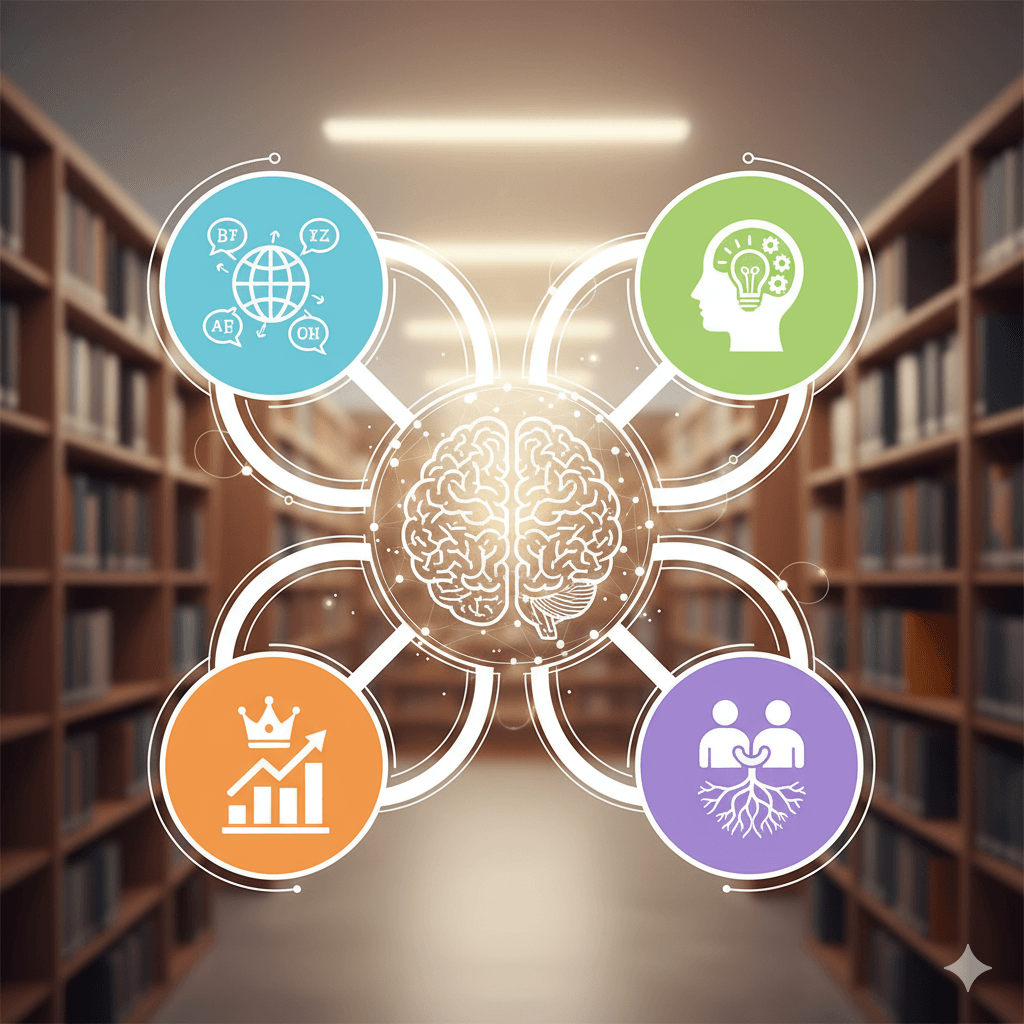
Mastering multiple languages doesn’t happen overnight but requires curiosity, consistent practice, and the right learning environment. Students can excel in multilingualism by starting early, immersing themselves in languages daily, and using a mix of reading, listening, speaking, and digital tools. Practicing with native speakers, joining language clubs, watching educational content, and reading bilingual texts help strengthen fluency. Setting small daily goals and celebrating progress keeps motivation high. With structured guidance, confidence-building activities, and real-life speaking opportunities, students can become fluent, expressive multilingual communicators ready for global success.
Stages for Learning a New Language
Learning a language happens step-by-step, and understanding these stages helps students stay motivated and confident throughout their journey. Here’s how students can learn effectively at each phase:
1. Foundation Stage: Listening & Familiarization
Students begin by hearing the language regularly through videos, songs, and conversations. This builds basic understanding, pronunciation awareness, and comfort with sounds and rhythm. Exposure is the first key.
2. Vocabulary & Basic Speaking Stage
Next, students start learning everyday words, simple phrases, greetings, and common sentences. Using flashcards, apps, and real-life practice helps build a strong vocabulary foundation and confidence in basic conversations.
3. Grammar & Sentence-Building Stage
At this point, students understand how the language structures sentences. They practice grammar rules, sentence patterns, verb forms, and tenses. Writing short sentences and practicing small dialogues becomes important.
4. Practice & Expression Stage
Students now practice speaking regularly with peers, mentors, and through language clubs or online tools. Reading books, watching content without subtitles, and participating in small conversations help improve fluency.
5. Advanced Fluency & Real-World Use
Finally, students start thinking in the language, expressing emotions, sharing ideas, and speaking naturally. They communicate confidently in real-life scenarios, join debates or public speaking activities, and enjoy native-level content.
Build lifelong communication, fluency, and public speaking skills through fun, personalized learning with PlanetSpark mentors.
Benefits of Being Multilingual With Examples
Being able to speak multiple languages opens doors to learning, confidence, and real-world opportunities. Students who grow up with or develop language skills early build sharper memory, stronger communication abilities, and broader cultural understanding. They perform better academically, connect easily with diverse people, and adapt faster in global environments like universities or future workplaces. With every new language, they gain fresh perspectives and valuable life skills, proving that the benefits of being multilingual go far beyond just words.
Simple Tips to Practice Multilingual Skills Daily
Mastering multiple languages becomes easier when students build small, consistent habits. Here are simple yet powerful tips to strengthen multilingual skills every day:
- Practice speaking for 10–15 Minutes Daily: Talk to family, friends, or record yourself speaking. Regular conversation builds fluency and confidence faster than memorizing grammar alone.
- Watch Shows & Videos in Target Languages: Cartoons, news clips, language learning channels, and short reels help students understand tone, pronunciation, and real-life usage while keeping learning fun.
- Read Short Texts & Bilingual Books: Start with children’s stories, simple news articles, or dual-language books. Reading builds vocabulary, sentence structure, and comprehension naturally.
- Use Flashcards & Language Apps: Apps like Duolingo, Memrise, or Quizlet help students remember words easily through repetition. Flashcards make daily vocabulary practice simple and effective.
- Maintain a Personal Word Diary: Write down 5–10 new words daily with meanings and sample sentences. Revisiting this notebook weekly improves recall and builds strong language memory.
- Think in Multiple Languages: While walking, studying, or interacting, mentally translate your thoughts into your target language. This develops automatic thinking and fluency over time.
- Practice Listening Skills: Listen to podcasts, audio stories, or language playlists in the background. Listening sharpens comprehension and strengthens pronunciation skills.
- Join Language Clubs or Online Communities: Engage with peers or language groups on Zoom, school clubs, or social platforms. Interaction with learners inspires, motivates, and enhances speaking skills.
- Label Everyday Objects at Home: Label items like chair, mirror, bottle, door, etc., in different languages. Seeing words daily helps build vocabulary and encourages subconscious learning.
- Embrace Mistakes and Learn from Them: Confidence grows when students speak fearlessly. Mistakes are part of the journey, every error brings you one step closer to fluency and mastery.
Common Mistakes Students Make While Learning Languages
Learning multiple languages is exciting, but students sometimes follow habits that slow down progress. Here are the most common mistakes and how to avoid them:
- Focusing Only on Grammar: Many learners memorize rules without real practice.
Fix: Learn grammar gradually and use it in real conversations to build natural fluency. - Waiting to Become “Perfect” Before Speaking: Students often fear sounding wrong, so they delay speaking.
Fix: Speak from day one. Fluency grows through practice, not perfection. - Translating Every Sentence Word-for-Word: Direct translations block natural speaking flow.
Fix: Understand sentence patterns and think in the target language instead. - Learning Too Many Words Without Using Them: Memorizing vocabulary without context leads to quick forgetting.
Fix: Use new words in daily sentences or short dialogues. - Practicing Inconsistently: Studying one day and skipping the next breaks the learning rhythm.
Fix: Practice a little daily, even 10 minutes, matters more than long weekly study sessions. - Relying Only on Textbooks: Books alone cannot teach expression, tone, or real-world language use.
Fix: Blend books with videos, speaking practice, and listening exercises. - Ignoring Pronunciation: Students sometimes focus only on writing and vocabulary.
Fix: Listen carefully to native speakers and practice speech sounds regularly. - Being Afraid of Mistakes: Fear blocks progress more than difficulty does.
Fix: Treat mistakes as stepping stones, every learner starts imperfectly. - Not Reviewing What They Learned: Learning new topics without revision leads to forgetting old ones.
Fix: Review weekly, revise vocabulary lists, and revisit practice exercises. - Giving Up Too Early: Language learning takes time and patience, and students may feel discouraged.
Fix: Set small goals, celebrate small wins, and stay consistent. Progress always shows with time.
PlanetSpark: Building Strong Communicators for a Global Future
PlanetSpark helps students become confident speakers and expressive writers through personalized learning, modern tools, and real-world practice. With expert trainers, AI technology, curated resources, and engaging communities, children learn to communicate boldly, think globally, and lead with clarity and confidence.
What Your Child Gets at PlanetSpark
- 1:1 Live Communication Classes with certified trainers who personalise lessons to your child’s style and pace
- AI-Powered Speaking Tools (SparkX & Virtual Coach) for speech review, feedback, and self-practice
- Personalised Learning Roadmap & Milestone Tracking for measurable growth
- Spark Diary to build creative writing, journaling habits, and content structuring
- Gamified Language Learning with quizzes, rewards, and challenges to build grammar, vocabulary, spelling & fluency
- SparkBee Daily Practice Games to strengthen the English foundation
- SparkShop E-Books Library for grammar, reading, writing & vocabulary development
- Interactive Clubs for debates, storytelling, podcasting, and performance skills
- Sparkline Safe Sharing Platform to post speeches, writing & creative work confidently
- Competitions, Showcases & Stage Practice for real speaking exposure
- Parent-Teacher Meetings & Detailed Reports for transparency and continuous improvement
Final Thoughts: Multilingual Minds, Limitless Futures
The journey to learning multiple languages is not just about vocabulary or grammar but about shaping adaptable thinkers, confident speakers, and global citizens. Students who embrace multilingual learning gain academic strength, emotional intelligence, and cultural confidence that lasts a lifetime. As the world becomes more connected, those equipped with diverse language skills hold a powerful advantage in education, travel, and future careers. Encourage your child to explore languages early and watch their world expand—one new word at a time.
Frequently Asked Questions
Multilingualism means students can understand and communicate in more than one language. It enhances their thinking skills, cultural understanding, academic performance, and future opportunities in education, travel, and careers.
Multilingual students develop stronger memory, concentration, and problem-solving skills. These abilities help them perform better in subjects like English, maths, science, and social studies by improving comprehension and reasoning.
Yes, children have naturally flexible brains, making language learning easier at a young age. With consistent practice, exposure, and supportive guidance, they can master multiple languages smoothly.
PlanetSpark strengthens communication skills through 1:1 live training, AI feedback, and speaking practice. Students build fluency, pronunciation, confidence, and storytelling abilities, supporting multilingual growth and academic excellence.
Absolutely. Speaking different languages boosts confidence, social interaction, and public speaking skills. It also improves pronunciation, vocabulary, and clarity — making students better communicators in school and beyond.
Yes. PlanetSpark enhances language clarity, vocabulary, speaking structure, and confidence — helping multilingual students communicate effectively, think faster, and express ideas fluently in real-world situations.