
Tips to Develop Effective Communication in Classroom
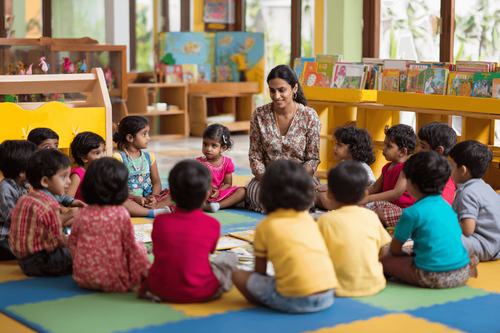

Table of Contents
- Top Tips for Communication Skills in the Classroom
- Importance of Effective Communication Skills in the Classroo
- Types of Communication in the Classroom
- How to Improve Communication Skills for Students in Class?
- How to Overcome Communication Barriers
- How Does PlanetSpark Help in Effective Classroom Communicati
Effective communication is the foundation of successful teaching and learning. In classrooms around the world, clear and engaging communication enhances understanding, builds relationships, and creates an inclusive environment where every student feels heard and motivated.
In this blog, PlanetSpark explores the importance of communication in classrooms, types of communication, common challenges, and proven tips to develop strong communication skills among students. It also offers strategies for teachers to foster an environment where effective communication flourishes.
Top Tips for Communication Skills in the Classroom
Building communication skills may seem challenging, but with continual practice, students can grow confident and articulate communicators. Here are effective tips:
- Practice Active Listening: Give your full attention when someone, specifically when the teacher, is speaking. Show that you’re listening with eye contact, nodding, and relevant facial expressions. Avoid interrupting and ask questions to ensure understanding.
- Be Clear and Concise: Organise your thoughts before speaking or writing. Use simple language to explain your ideas, as being concise prevents confusion and makes your message stronger.
- Use Positive and Open Body Language: Sit or stand straight, smile, and keep arms uncrossed. Positive body language encourages others to engage with you and helps express enthusiasm.
- Don’t Fear Asking Questions: If you don’t understand something, ask politely. Good questions show interest and help clarify difficult topics.
- Engage in Group Discussions: Participate actively in group projects and class discussions. Sharing different views and listening to others sharpens your communication and critical thinking.
- Practice Public Speaking: Take every chance to present your ideas, even in small groups. Practice helps overcome stage fright and improves your verbal fluency and confidence.
- Pay Attention to Nonverbal Cues: Learn to read others’ body language and tone. This helps you respond appropriately and build better interpersonal connections.
- Use Technology Responsibly: When communicating online, be clear and polite. Avoid slang or emojis where they might cause misunderstanding, especially in formal school communication.
- Reflect and Improve: After conversations or presentations, think about what went well and what you can improve. Ask for feedback from peers or teachers and act on it.
- Writing Practice: Regular writing improves clarity, organisation, and logical flow of ideas, which supports better verbal expression.
- Honest Feedback: Seeking and accepting constructive feedback helps students identify improvement areas.
- Adding Stories to Present Ideas: Storytelling makes complex concepts easier to understand and more memorable.
Importance of Effective Communication Skills in the Classroom
The importance of developing effective communication skills in the classroom for students is vital for their success, both academically and socially and emotionally. Classroom communication is more than just talking or writing; it involves understanding, listening, collaboration, and adapting to different communication styles.
Students who communicate well can express ideas clearly, ask questions when confused, and participate effectively in group activities. Furthermore, strong communication skills prepare students for future challenges in higher education and the workforce, where teamwork and interpersonal skills are crucial.
A classroom that values communication fosters confidence, nurtures empathy, and helps resolve conflicts constructively. Teachers play a key role in modelling and facilitating these skills, ensuring each student’s voice is valued.
Types of Communication in the Classroom
Understanding the different modes of communication helps students adapt their approach depending on the situation. The main types include:
- Verbal Communication: This involves spoken words, such as answering questions, participating in discussions, presenting projects, or casual peer conversations. Developing clear verbal skills allows students to convey ideas effectively.
- Nonverbal Communication: The use of body language, facial expressions, eye contact, gestures, and tone of voice plays a big role. For example, maintaining eye contact while listening signals respect and attention.
- Written Communication: From notes, projects and homework to emails and essays, writing is a key skill. Clear writing helps students organise and express ideas in academic and personal contexts.
- Visual Communication: Using charts, images, diagrams, or multimedia presentations supports learning and helps students communicate complex ideas visually.
- Digital Communication: In modern classrooms, students interact using online platforms, forums, emails, and virtual meetings. Effective digital communication entails clarity, politeness, and adapting to virtual etiquette.
How to Improve Communication Skills for Students in Class?
Improving communication is an evolving process, achievable with deliberate effort:
- Read Widely: A good vocabulary and understanding of different writing styles enhance both written and verbal communication.
- Participate in Debates and Role-Playing: These activities build confidence and help practice expressing viewpoints logically.
- Record and Review Your Speech: Listening to yourself helps identify weaknesses and areas for improvement.
- Learn New Words and Phrases Daily: Expanding your English speaking skills and grammar allows clearer expression.
- Engage in Peer Feedback: Give and receive constructive criticism kindly, making communication a two-way learning process.
- Practice Nonverbal Signals: Mirror confident speakers to improve your own body language.
- Use Digital Tools: Leverage apps for language learning, presentation making, and group collaboration.
- Stay Open to Learning: Communication can always be polished; stay curious and adaptable.
Boost communication skills with PlanetSpark— book a PlanetSpark demo class!
How to Overcome Communication Barriers
Students often face hurdles such as shyness, language difficulties, or distractions. Ways to overcome them include:
- Starting small by speaking in pairs before moving to larger groups.
- Asking teachers or peers for clarification when confused.
- Approaching communication as a skill, not a natural trait, meaning it can be learned.
- Managing anxiety by breathing exercises before speaking.
- Using visual aids or written notes to support verbal points.
- Practising with friends or family to build comfort.
How Does PlanetSpark Help in Effective Classroom Communication?
PlanetSpark focuses on building effective communication from the core by developing confidence, discipline, leadership, and intelligence. The courses of PlanetSpark goes more than academics to help kids manage their time better, communicate effectively, & stay motivated.
- 1:1 Coaching from Experts- Every child at PlanetSpark gets personal attention from certified and industry-expert trainers for public speaking. They guide students to use the right tone, gestures, and expressions while speaking. This makes them feel confident and natural.
- Wide Curriculum- The lessons at PlanetSpark cover topics such as voice modulation, body language, persuasive speech, storytelling, debating, etc. All of this helps students get skilled up with communication skills, public speeches, debates, etc.
- TED-style Training Modules- Students at PlanetSpark practice delivering powerful speeches like TEDx speakers by using the “hook, message, story, call to action” model, which is crucial for developing effective communication skills.
- Practice with Global Leaders- The students are given a chance to speak with peers from over 13 countries through group discussion, sessions of storytelling, debating, etc. This practice helps them to understand the way to figure out communication and public speaking.
- Video-based Feedback and Growth- Children get the chance to watch recordings of their own speeches. With feedback from experts, they learn to adjust tone, pace, and expression to sound better during communication.
- Public Speaking Competition- PlanetSpark regularly organises speaking competitions and public speaking leagues at the national level. These platforms help kids apply their learning of public speaking and speech delivery. They can always be polished; stay curious and adaptable.
Conclusion: Develop Effective Communication Skills with PlanetSpark
PlanetSpark believes that learning goes beyond books. It believes in building confidence, fostering communication, and developing character. Communication becomes more powerful when students know how to express themselves. With PlanetSpark’s expert-led public speaking program, children not only learn effective communication skills but also develop self-respect and leadership qualities. With its 1:1 mentorship and global exposure, PlanetSpark helps every child become a confident communicator.
Frequently Asked Questions
Some of the examples of communication in the classroom are:
- Teacher-to-class communication (addressing the entire class),
- Teacher-to-student communication (individual interactions),
- Student-to-teacher communication (questioning or answering in class),
- Student-to-student communication (group discussions, disagreements, or collaborative work),
- Student-to-class communication (presentations or whole-class questions).
Having strong communication skills helps students express ideas clearly, engage actively in discussions, build relationships, resolve conflicts constructively, and prepare for future academic and career success.
Nonverbal cues or communication, such as facial expressions, gestures, and tone of voice, complement verbal messages, help convey emotions, indicate attentiveness, and foster better connections between students and teachers.
Students can start with small group discussions, practising breathing techniques, preparing speeches in advance, and gradually increasing speaking opportunities can help build confidence.
Tips include practising clear and concise speaking, using positive body language, asking questions confidently, participating in group discussions, practising public speaking, paying attention to nonverbal cues, using technology responsibly, and seeking feedback.
PlanetSpark offers 1:1 expert coaching, a wide curriculum covering voice modulation, storytelling, and debates, TED-style training modules, global peer practice, video-based feedback, and public speaking competitions, creating a complete environment to build confident communicators.