
Best Creative Writing Topics for Kids to Spark Imagination
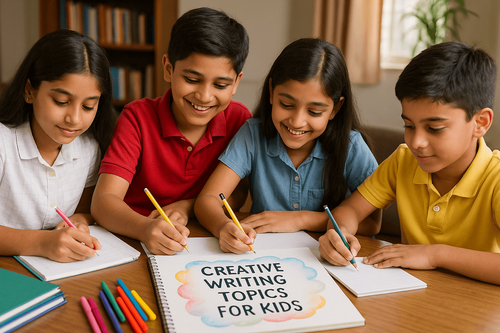

Table of Contents
- Best Creative Writing Topics for Kids
- Imaginative/Fantasy Topics
- Personal Experiences
- “What If” Scenarios
- Nature and Environment
- Friendship and Emotions
- Funny and Humorous Topics
- Benefits of Creative Writing for Kids
- Tips for Encouraging Creative Writing
- Creative Writing Exercises to Boost Kids’ Imagination
- Fun Storytelling Ideas for Young Writers
- How to Make Creative Writing a Daily Habit for Kids
- Simple Techniques to Improve Kids’ Writing Skills
- Using Drawing and Roleplay to Inspire Stories
- Tips to Encourage Reluctant Young Writers
- How Creative Writing Helps Kids in School and Life
- Best Prompts for Kids Who Love Adventure and Fantasy
- Ways Parents Can Support Creative Writing at Home
- Encouraging Humor and Fun in Kids’ Stories
- Why Choose PlanetSpark?
- Conclusion
Creative writing is a wonderful way for children to express their imagination, thoughts, and feelings through words. When kids write stories, they don’t just practice grammar, they explore new ideas, build vocabulary, and develop problem-solving skills. Writing allows children to create magical worlds, embark on exciting adventures, and bring their unique ideas to life.
Encouraging creative writing from a young age helps kids become confident storytellers. It sparks curiosity, enhances communication, and gives them the joy of seeing their thoughts transform into stories. With the right guidance and fun prompts, children can turn everyday experiences into exciting tales or invent entirely new worlds. This blog will share some of the best creative writing topics for kids, along with tips to make writing a fun and regular habit that nurtures imagination and creativity.
Best Creative Writing Topics for Kids
Discover fun and engaging creative writing topics that spark imagination and storytelling skills in children. These ideas help kids express themselves confidently while making learning enjoyable.
Imaginative/Fantasy Topics
Imaginative or fantasy writing allows children to explore magical worlds and stretch their creativity. These topics encourage kids to think beyond reality, invent new characters, and create exciting adventures. Writing about magical kingdoms, talking animals, superheroes, or mythical creatures helps children develop storytelling skills and problem-solving abilities.
Examples of imaginative/fantasy topics:
Imagine you can talk to animals for a day. What adventures would you have?
Write a story about a hidden treasure in a magical forest.
Create your own superhero and describe their powers and missions.
Fantasy topics help children express themselves freely because there are no strict rules, only imagination. These exercises also improve vocabulary and sentence structure, as children describe new worlds, emotions, and events in creative ways. Teachers and parents can encourage kids to draw scenes or characters before writing, which makes the storytelling process even more engaging.
Personal Experiences
Writing about personal experiences allows children to reflect on their own lives and practice expressing real emotions. These topics help kids learn how to organize thoughts, describe events clearly, and share feelings through storytelling.
Examples of personal experience topics:
Write about your favorite day at school.
Describe a family trip or holiday adventure.
Share a story about a hobby you love and why it excites you.
Personal experience writing builds confidence because children relate directly to the topic. It also helps develop observational skills, attention to detail, and memory recall. By writing about what they know, kids can practice sequencing events, using descriptive words, and connecting ideas logically. These skills are essential for both creative writing and academic success.
“What If” Scenarios
“What if” scenarios are fun prompts that encourage critical thinking and creativity. These topics challenge children to imagine possibilities and solve problems within their stories. They allow kids to explore unusual situations and invent creative solutions.
Examples of “What If” scenarios:
What if you woke up with superpowers for a day?
What if pets could talk and give advice?
What if your school was floating in the clouds?
These topics teach children how to think outside the box and make decisions in their storytelling. They also improve reasoning and analytical skills while allowing kids to practice structure, dialogue, and description. “What if” prompts make writing playful and imaginative, keeping children motivated and engaged.
Nature and Environment
Nature and environmental topics help children explore the world around them while encouraging observation and descriptive skills. These prompts allow kids to write about seasons, animals, planets, plants, and natural wonders.
Examples of nature and environment topics:
Describe a walk in a magical forest or garden.
Imagine you are an astronaut exploring a new planet.
Write a story about an animal saving its friends in the wild.
Writing about nature improves vocabulary and observation skills because children learn to describe sights, sounds, smells, and feelings vividly. It also helps kids develop empathy and appreciation for the environment, inspiring creative and responsible thinking. Teachers and parents can encourage illustrations to accompany the writing for an extra fun activity.
Friendship and Emotions
Stories about friendship and emotions help children understand relationships, empathy, and social skills. Writing about feelings allows kids to express themselves honestly and learn to communicate emotions effectively.
Examples of friendship and emotion topics:
Write about a time you helped a friend in need.
Describe your happiest memory with a friend.
Imagine a character who feels nervous on the first day of school.
These prompts encourage self-reflection and social awareness while building writing confidence. Children learn to organize thoughts, describe emotional experiences, and develop characters with feelings. Writing about emotions also strengthens emotional intelligence and makes storytelling relatable and meaningful.
Unlock your child’s imagination! Enroll in PlanetSpark’s creative writing classes today.
Funny and Humorous Topics
Funny and humorous stories make writing enjoyable and keep children engaged. These topics allow kids to explore silliness, imagination, and creativity in a lighthearted way, which helps build confidence in storytelling.
Examples of funny and humorous topics:
Write about a day when your pet did something hilarious.
Imagine a world where everyone walked on stilts.
Describe a funny adventure with your friends at school.
Humor encourages creativity, spontaneity, and imagination. Writing funny stories teaches children how to use exaggeration, playful dialogue, and surprising twists in storytelling. It also makes writing fun rather than a task, which motivates kids to write more and develop a lifelong love for creative expression.
Benefits of Creative Writing for Kids
Creative writing offers children far more than just the ability to write stories. It is a powerful tool for developing communication skills, enhancing imagination, and fostering self-expression. When kids engage in creative writing, they learn how to organize their thoughts, describe ideas clearly, and convey emotions effectively. These skills carry over into speaking, presentations, and everyday interactions, helping children express themselves with confidence.
Boosts creativity and problem-solving: Writing imaginative stories challenges children to invent characters, create worlds, and solve plot-related problems. They learn to think outside the box, connect ideas, and make decisions for their characters, which strengthens their critical thinking and creativity.
Builds confidence and self-expression: Completing stories or sharing them with family and friends gives children a sense of achievement. It encourages them to explore their feelings, experiences, and opinions, fostering independence and self-assurance. Regular creative writing helps kids develop both academic and social skills that benefit them for life.
Tips for Encouraging Creative Writing
Encouraging children to write creatively requires a combination of guidance, fun, and freedom. Parents and teachers can play a vital role in making writing an enjoyable and rewarding activity rather than a task.
Set aside dedicated writing time: Establish a regular time each day or week for writing. Consistency helps children treat writing as a habit and gives them the mental space to focus on ideas without distractions.
Make writing fun with prompts and games: Creative prompts, storytelling cards, and writing challenges make the process engaging. Gamifying writing with small rewards or competitions adds excitement and motivation.
Encourage storytelling, drawing, or roleplay before writing: Activities like drawing characters, acting out scenes, or narrating stories aloud stimulate imagination. They provide a foundation for children to put their ideas on paper confidently.
By following these tips, children can develop a love for creative writing while improving imagination, communication, and problem-solving skills. Writing becomes an enjoyable way to express themselves and explore their unique ideas.
Creative Writing Exercises to Boost Kids’ Imagination
Creative writing exercises are an excellent way to spark imagination and help children think outside the box. These exercises allow kids to invent characters, explore unique worlds, and experiment with storytelling techniques. By practicing regularly, children strengthen their creativity, problem-solving skills, and ability to express themselves effectively.
Examples of exercises:
Story Starters: Give children the first line of a story and let them continue.
Character Creation: Ask kids to invent a character and describe their personality, appearance, and hobbies.
Alternate Endings: Read a familiar story and let children create their own ending.
Dialogue Writing: Encourage kids to write conversations between two characters to improve language and expression.
These exercises make writing engaging and enjoyable while building confidence. Over time, children develop a natural storytelling style, enhanced imagination, and the ability to transform simple ideas into captivating stories.
Fun Storytelling Ideas for Young Writers
Storytelling helps children communicate ideas creatively and builds strong narrative skills. Fun storytelling ideas make writing enjoyable and inspire kids to explore their imagination freely. When children are encouraged to tell stories, they develop the ability to sequence events, create characters, and express emotions effectively.
Ideas to try:
Adventure Stories: Write about a character exploring a new land or solving a mystery.
Talking Animals: Imagine animals with human traits going on adventures.
Magical Objects: Create a story around a magical item like a wand or flying shoes.
Everyday Heroes: Turn ordinary events into exciting stories, such as a helpful neighbor or a brave sibling.
These storytelling exercises improve creativity, vocabulary, and confidence. They also teach children how to organize thoughts logically and present them in a way that keeps readers engaged.
How to Make Creative Writing a Daily Habit for Kids
Making creative writing a daily habit helps children improve consistently while developing a love for storytelling. Daily practice reinforces imagination, vocabulary, and self-expression. Even short sessions of 15–30 minutes each day can make a significant difference over time.
Tips to create a habit:
Set a fixed writing time: Encourage children to write at the same time every day.
Create a dedicated space: A quiet and organized area helps kids focus.
Keep a journal or notebook: Encourage them to write ideas, short stories, or daily experiences.
Incorporate prompts and challenges: Use story prompts, picture prompts, or themed challenges to keep writing fun.
Regular practice improves discipline, boosts confidence, and makes creative writing a natural part of a child’s routine, allowing them to explore new ideas daily.
Help your child become a confident storyteller, start with a free trial at PlanetSpark.
Simple Techniques to Improve Kids’ Writing Skills
Improving writing skills doesn’t have to be complicated. Simple, consistent techniques help children write more clearly, creatively, and confidently. Focusing on clarity, grammar, and expression ensures their stories are engaging and easy to understand.
Effective techniques:
Practice descriptive writing: Encourage children to describe people, places, and events in detail.
Use new vocabulary: Introduce fun and age-appropriate words regularly.
Read regularly: Reading books or stories improves grammar, sentence structure, and storytelling skills.
Peer sharing: Let kids share stories with friends or family for feedback.
These techniques strengthen writing abilities gradually, making children more confident storytellers. Over time, kids learn how to express ideas clearly while keeping stories fun and engaging.
Using Drawing and Roleplay to Inspire Stories
Drawing and roleplay are creative ways to inspire children to write stories. Visualizing characters or acting out scenes helps kids generate ideas and translate them into words. These techniques make writing interactive, enjoyable, and memorable.
Ways to use drawing and roleplay:
Draw characters or scenes: Children can illustrate a scene or character and then write a story about it.
Act out stories: Roleplay events or dialogue with friends or family to explore ideas before writing.
Storyboards: Create a sequence of drawings that represent the plot of a story.
These methods help children connect visuals and experiences with words, making writing easier and more engaging. Combining art, movement, and storytelling encourages imagination, creativity, and confidence in young writers.
Tips to Encourage Reluctant Young Writers
Not all children enjoy writing right away, but with patience and encouragement, even reluctant writers can develop a love for storytelling. The key is to make writing engaging, stress-free, and rewarding rather than a chore.
Tips to encourage reluctant writers:
Start small: Short stories, a few sentences, or diary entries reduce pressure.
Use prompts or games: Fun prompts, story dice, or creative writing challenges spark interest.
Incorporate interests: Let children write about hobbies, favorite shows, or pets.
Positive reinforcement: Celebrate effort, not just the final story, to build confidence.
Pair writing with drawing or roleplay: Visualizing ideas first makes storytelling easier and enjoyable.
By following these strategies, reluctant writers gradually develop confidence, creativity, and motivation. Over time, they can enjoy expressing their ideas, improving language skills, and exploring imaginative storytelling.
How Creative Writing Helps Kids in School and Life
Creative writing benefits children far beyond storytelling. In school, it enhances comprehension, grammar, vocabulary, and critical thinking. Writing about experiences, ideas, or imaginative scenarios improves reading skills and prepares children for assignments, essays, and exams.
Benefits in school and life:
Improves communication skills: Clear writing translates into better oral expression.
Encourages problem-solving: Crafting plots and characters requires planning and creative solutions.
Boosts confidence: Sharing stories with peers or family strengthens self-expression.
Supports emotional intelligence: Writing about feelings helps children understand and manage emotions.
Lifelong skill: Storytelling and communication are valuable in personal, academic, and professional life.
By practicing creative writing, children develop skills that enhance academic performance, social interactions, and personal growth, making it an essential activity for their overall development.
Let your child explore magical stories, adventures, and imagination, join PlanetSpark today.
Best Prompts for Kids Who Love Adventure and Fantasy
Adventure and fantasy prompts capture a child’s imagination, encouraging them to write exciting, imaginative stories. These prompts allow kids to explore magical worlds, heroic quests, and extraordinary characters, boosting creativity and problem-solving skills.
Adventure and fantasy prompts:
Imagine finding a hidden portal to another world in your backyard.
Write a story about a young explorer discovering a lost city.
Create a superhero with unusual powers who saves their town.
Describe a magical creature that becomes your best friend.
Imagine traveling to a planet where animals rule and humans are visitors.
These prompts stimulate imagination while teaching children narrative structure, character development, and descriptive writing. Adventure and fantasy stories make writing thrilling, encouraging kids to write regularly and enjoy the storytelling process.
Ways Parents Can Support Creative Writing at Home
Parents play a crucial role in nurturing a child’s love for creative writing. With encouragement, guidance, and resources, parents can make writing a fun and rewarding experience at home.
Ways parents can help:
Provide a dedicated writing space: A quiet, organized area inspires focus and creativity.
Offer writing prompts and tools: Story starters, picture prompts, and notebooks make writing engaging.
Encourage reading: Books expand vocabulary and inspire ideas for stories.
Participate in storytelling: Discuss ideas, act out scenes, or co-write stories.
Celebrate achievements: Praise efforts, display stories, or share with friends and family to motivate children.
When parents actively support writing, children feel encouraged to explore ideas, improve skills, and build confidence. This guidance fosters creativity and a lifelong interest in storytelling.
Encouraging Humor and Fun in Kids’ Stories
Humor makes writing enjoyable, reduces pressure, and encourages creativity. Funny stories help children explore imagination, develop language skills, and keep storytelling lighthearted and engaging.
Ways to incorporate humor in writing:
Silly scenarios: Create playful, unexpected situations like talking pets or dancing vegetables.
Exaggeration: Encourage exaggerating characters, events, or problems to make stories amusing.
Funny dialogue: Add humorous conversations between characters.
Play on words: Puns and wordplay make stories more fun and interactive.
Writing humorous stories strengthens creativity, spontaneity, and confidence. Children enjoy the process, experiment with ideas, and learn to connect with readers through fun and entertaining writing.

Why Choose PlanetSpark?
Creative writing is a skill that grows best with guidance, encouragement, and practice. At PlanetSpark, we help children explore their imagination and develop storytelling abilities in a fun, interactive environment.
Personalized Learning: Every child learns differently, and PlanetSpark provides customized lessons to match each child’s pace and interests. Tutors focus on strengths and offer guidance where needed, helping kids build confidence in their writing skills.
Interactive and Fun Methods: We use storytelling games, writing prompts, drawing activities, and roleplay exercises to make creative writing exciting. Children don’t just write, they learn to think critically, organize ideas, and express themselves effectively.
Focus on Lifelong Skills: PlanetSpark helps kids develop not only writing abilities but also communication, problem-solving, and self-expression skills. These benefits carry over to schoolwork, social interactions, and personal growth.
Parental Involvement: Parents receive regular updates and tips to support their child’s learning journey at home, reinforcing positive writing habits and creativity.
Conclusion
Creative writing is more than just putting words on paper, it is a way for children to explore imagination, express emotions, and build essential skills. Writing stories helps kids improve vocabulary, communication, and problem-solving while boosting confidence and self-expression. By providing fun prompts, engaging exercises, and a supportive environment, children can develop a lifelong love for storytelling.
Encouraging creative writing through personal experiences, fantasy adventures, humorous tales, or imaginative “what if” scenarios helps children think critically, organize ideas, and share their unique perspectives. With guidance from parents, teachers, and platforms like PlanetSpark, kids can strengthen their writing skills in a fun and interactive way.
Investing time in creative writing nurtures curiosity, creativity, and confidence, making children not just better writers but more thoughtful, expressive, and imaginative learners. Every story they write is a step toward developing essential skills for school and life.
Frequently Asked Questions
Creative writing helps children express their thoughts, develop imagination, improve communication skills, and build confidence in storytelling.
Easy topics include personal experiences, favorite hobbies, magical adventures, talking animals, funny incidents, and “what if” scenarios.
Parents can provide a dedicated writing space, use prompts and games, encourage storytelling or drawing, and praise their child’s efforts to make writing fun.
Short daily or weekly sessions, even 15–30 minutes, help kids develop consistent writing habits and improve creativity over time.
Yes! Creative writing enhances vocabulary, grammar, comprehension, and critical thinking, all of which support schoolwork and overall learning.
PlanetSpark offers personalized lessons, interactive prompts, storytelling games, and feedback to help children develop writing skills, imagination, and confidence.