
Simple Activities to Improve Mental Health for Student

Table of Contents
- Physical Activities Help to Improve Mental Health
- Creative Activities for Mental Wellness
- Social Activities for Better Mental Health
- Mindfulness and Relaxation Activities
- Healthy Daily Habits
- Why Mental Health Matters for Students
- Making a Personal Mental Health Plan
- How PlanetSpark Helps Students Build Strong Mental and Emoti
- When to Seek More Help
- Final Thoughts
Today, students face stress from studies, social pressure, and digital distraction, which affects their mental well-being. In order to help students, simple, daily activities to improve mental health can boost focus, positivity, and emotional balance. At PlanetSpark, students engage in interactive exercises, creative storytelling, and guided mindfulness sessions, making learning fun while nurturing mental health, confidence, and overall emotional resilience.
Physical Activities Help to Improve Mental Health
One of the best-kept secrets about mental health is this: moving your body helps your mind feel better. Physical activities help to improve mental health in powerful ways. When you exercise, your brain releases special chemicals called endorphins. These are natural mood boosters that make you feel happier and more relaxed.
You don't need to become an athlete or spend hours at the gym. Even simple movement counts. Let's look at easy physical activities that can improve your mental health.
1. Walking: The Simplest Exercise
Walking is one of the easiest activities to improve mental health. You can do it anywhere, anytime, and it costs nothing. A 15-20 minute walk can clear your mind and reduce stress.
Try walking to class instead of taking the bus. Walk around your neighborhood while listening to music. Take a study break and walk around the building. Fresh air and movement work together to improve your mood.
If possible, walk in nature. Parks, gardens, or tree-lined streets are even better. Nature has a calming effect on your mind. Studies show that being around trees and green spaces reduces anxiety and helps you feel more peaceful.

2. Dancing to Your Favorite Music
Dancing is a fun way to move your body and lift your spirits. You don't need to know any special moves. Just turn on music you love and move however feels good.
Dancing in your room at home can be a great stress reliever. It combines physical activity with music, which helps improve mental health. When you're feeling down or stressed, try dancing for just one song. You'll probably feel lighter and more energized afterward.
3. Sports and Games
Playing sports is another way physical activities help to improve mental health. Basketball, soccer, volleyball, or any team sport gives you exercise and social connection at the same time.
Don't worry if you're not good at sports. The goal isn't to win or be perfect. It's about moving, having fun, and being around others. Even casual games with friends count. Throw a frisbee, play catch, or kick a ball around.
4. Yoga and Stretching
Yoga is perfect for students because it helps both their bodies and minds. It reduces stress, improves focus, and helps you sleep better. You don't need a yoga class or special clothes. There are free yoga videos online for beginners.
Even simple stretching helps. When you've been sitting and studying for hours, your body gets tense. Take five minutes to stretch your arms, legs, neck, and back. This releases physical tension and helps you think more clearly.
5. Quick Exercise Breaks
During long study sessions, take short exercise breaks. Do 10 jumping jacks, 5 push-ups, or jog in place for a minute. These mini-workouts get your blood flowing and give your brain a rest. You'll return to studying with better focus.
Physical activities help to improve mental health by breaking up mental tiredness with physical movement. Your brain actually works better when you move your body regularly.
Strengthen Personality & Emotional Intelligence!!
From leadership to self-awareness, help your child become confident inside and outside the classroom.
Creative Activities for Mental Wellness
Creative activities are wonderful for mental health. They help you express feelings, relax your mind, and focus on the present moment.
1. Drawing and Coloring
You don't need to be an artist to benefit from drawing. Doodle in a notebook, color in a coloring book, or sketch whatever comes to mind. The act of creating something with your hands calms your nervous system.
Coloring is especially relaxing. Adult coloring books are popular because they help reduce anxiety. The repetitive motion and focus required helped quiet worried thoughts.
2. Writing and Journaling
Writing is one of the most powerful activities to improve mental health. Keep a journal where you write about your day, your feelings, or things you're grateful for.
Journaling helps you understand your emotions better. When thoughts swirl around in your head, writing them down makes them clearer. You can also write letters you never send, create stories, or write poetry.
Try gratitude journaling. Each night, write three things you're grateful for. They can be small: a good meal, a funny video, sunshine. This simple practice trains your brain to notice positive things.
3. Playing Music
If you play an instrument, make time for it regularly. Making music is therapeutic. It requires focus, which takes your mind off worries. It also gives you a sense of accomplishment.
Don't play an instrument? That's okay. Listening to music you love also helps your mental health. Create playlists for different moods: calming music for stress, upbeat music for energy, and sad music when you need to process emotions.
Social Activities for Better Mental Health
Humans are social creatures. Connecting with others is essential for good mental health.
1. Talking with Friends
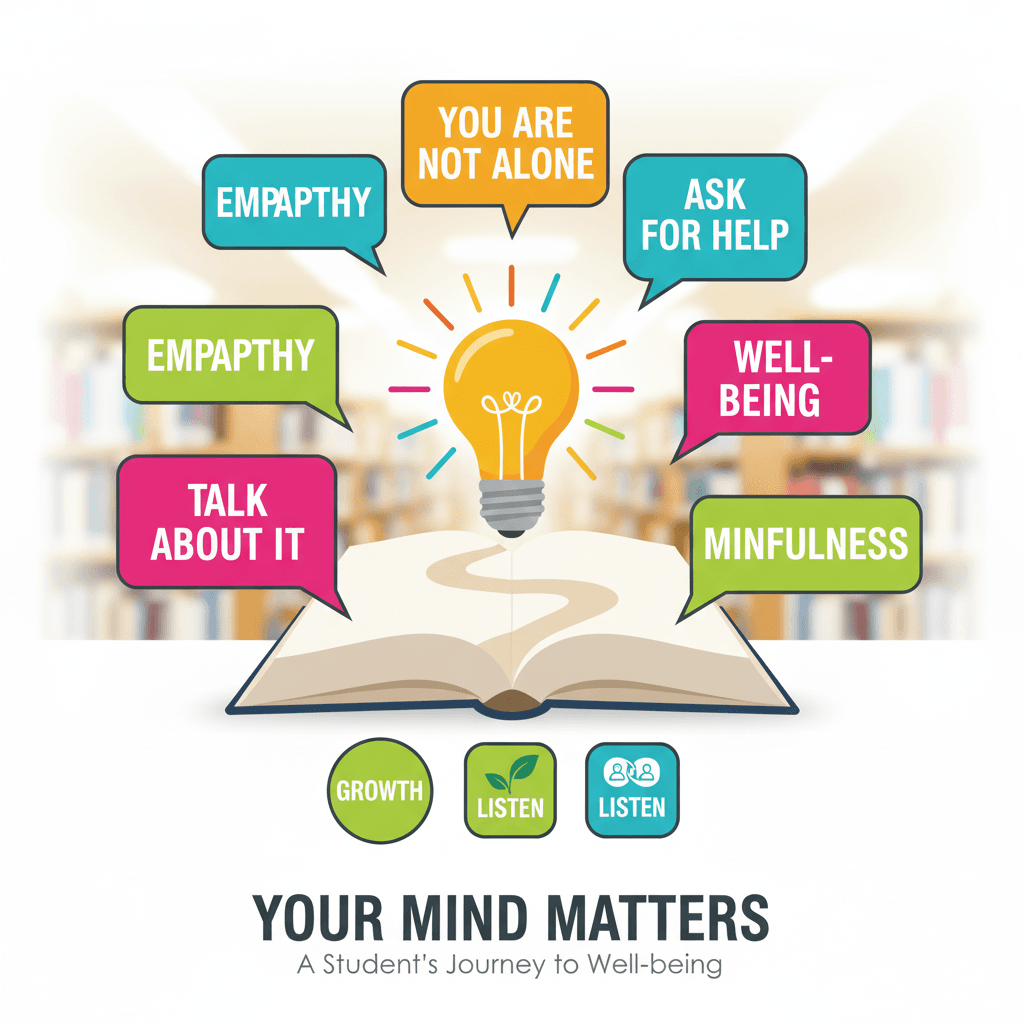
Spending time with friends is one of the best activities to improve mental health. Laugh together, share your feelings, or just hang out. Social connection reminds you that you're not alone. If you are interested in knowing the power of self-awareness in social situations, then click here.
If you're feeling down, it's tempting to isolate yourself. Try to resist this. Reach out to a friend, even if it's just sending a text. Often, connection is exactly what you need.
2. Joining Clubs or Groups
Join a school club, sports team, volunteer group, or study group. Being part of something gives you purpose and connection. You'll meet people with similar interests and build friendships.
Community activities help you feel like you belong. This sense of belonging is important for mental health, especially when you're feeling lonely or different.
3. Helping Others
Volunteering or helping someone is surprisingly good for your own mental health. When you do something kind for others, it boosts your mood and self-esteem.
Help a classmate with homework, volunteer at a local charity, or simply do something nice for a family member. Acts of kindness create positive feelings for both you and the person you help.
Support Your Child’s Mental Wellness with Creative Learning!
Storytelling, journaling, and expression-based learning build clarity, joy, and self-belief.
Mindfulness and Relaxation Activities
Learning to relax and be present is crucial for mental health.
1. Deep Breathing Exercises
Deep breathing is a simple but powerful tool. When you're stressed, your breathing becomes shallow. Taking slow, deep breaths tells your body it's safe to relax.
Try this: breathe in slowly for four counts, hold for four counts, breathe out for four counts. Repeat five times. You can do this anywhere: before a test, in bed, or during a stressful moment.
2. Meditation and Quiet Time
Meditation might sound complicated, but it's simply spending time being quiet and present. Start with just five minutes. Sit comfortably, close your eyes, and focus on your breathing.
Your mind will wander. That's normal. When you notice your thoughts drifting, gently bring your attention back to your breath. This practice trains your brain to be calmer and more focused.
3. Spending Time in Nature
Nature is healing. Activities to improve mental health can be as simple as sitting outside. Spend time in a park, garden, or anywhere with trees and plants.
Leave your phone inside and just observe nature. Watch clouds, listen to birds, feel the breeze. Nature naturally reduces stress and anxiety. Even looking at pictures of nature can help when you can't go outside.
Healthy Daily Habits
Some activities to improve mental health should become daily habits.
1. Getting Enough Sleep
Sleep is crucial for mental health. When you're tired, everything feels harder. Aim for 7-9 hours of sleep each night.
Create a bedtime routine: turn off screens an hour before bed, dim the lights, and maybe read or stretch. Consistent sleep helps regulate your mood and reduces anxiety.
2. Eating Well
What you eat affects how you feel. You don't need a perfect diet, but try to eat regular meals with fruits, vegetables, and protein. Avoid too much caffeine and sugar, which can increase anxiety.
Stay hydrated. Drink water throughout the day. Dehydration can make you feel tired, irritable, and unable to focus.
3. Limiting Screen Time
Too much screen time, especially social media, can hurt mental health. Set limits on phone use. Take breaks from social media if it makes you feel bad about yourself.
Instead of scrolling before bed, try reading, journaling, or stretching. Instead of checking your phone during study breaks, take a walk or talk to someone in person.
Why Mental Health Matters for Students
Your mental health is just as important as your physical health. When you feel good mentally, you can focus better in class, remember things more easily, and enjoy time with friends. Good mental health helps you handle stress, make better decisions, and feel more confident about yourself.
Many students struggle with anxiety, stress, or low mood. This is completely normal. School pressure, social media, friendship issues, and worries about the future can all affect how you feel. The important thing is knowing that you can take small steps to feel better.
Encourage Healthy Communication & Stress-Free Learning!
Help your child speak confidently, face challenges calmly, and build a positive mindset with expert coaches.
Making a Personal Mental Health Plan
Now that you know many activities to improve mental health, create your own plan. You don't need to do everything. Choose a few activities that appeal to you. Students can also click here and read Ratan Tata's biography for motivation and direction in life.
Start small. Pick one physical activity, one creative activity, and one relaxation activity to try this week. Remember that physical activities help to improve mental health in powerful ways, so try to include some movement every day.
Write down your plan. Schedule these activities like you would any other important commitment. Treat your mental health as a priority, not something you'll get to "if you have time."
Be patient with yourself. Some days will be easier than others. If you miss a day, that's okay. Just start again the next day.
How PlanetSpark Helps Students Build Strong Mental and Emotional Well-Being
Along with academic excellence, PlanetSpark focuses on building emotional strength, confidence, communication skills, and self-expression — all essential for a student’s mental well-being. Our personalised learning model ensures every child grows confidently, communicates clearly, and handles challenges with resilience.
Key PlanetSpark Benefits for Student Growth & Mental Wellness:
- 1:1 Live Personal Trainers – Dedicated certified mentors who understand each child’s pace, mindset, and learning style
- Personalised Curriculum & Learning Roadmap – Custom-designed journey to build confidence, speaking skills, and creativity
- AI Learning Tools (SparkX & AI Practice) – Real-time speech feedback and independent practice to boost clarity & confidence
- Spark Diary & Creative Writing Practice – Journaling and storytelling to express emotions and develop clarity of thought
- Gamified Learning & SparkBee – Fun quizzes, challenges, and rewards that reduce learning stress
- Exclusive Clubs & Contests – Debate, podcasting, storytelling, poetry, and creative clubs to build confidence and social skills
- Personality Development Program – SEL-based sessions on leadership, etiquette, emotional intelligence & self-awareness
PlanetSpark builds confident, expressive, mentally strong young learners ready for success in school and life.
When to Seek More Help
These activities to improve mental health are helpful for everyone. However, sometimes you need additional support. If you're feeling constantly sad, extremely anxious, having thoughts of harming yourself, or if daily life feels impossible, please talk to someone.
Reach out to a school counselor, trusted teacher, parent, or doctor. There's no shame in asking for help. In fact, knowing when you need support is a sign of strength and self-awareness.
Mental health professionals can provide additional tools and support. Therapy, counseling, or medication might be helpful. Getting help is another important activity to improve mental health.
Final Thoughts
Taking care of your mental health doesn't have to be complicated. Simple activities like walking, journaling, talking with friends, or taking deep breaths can make a real difference. Remember that physical activities help to improve mental health significantly, so find ways to move your body that you actually enjoy.
You deserve to feel good. Your mental health matters. Start today with one small activity. Your future self will thank you for taking care of your mind and body now. Small steps lead to big changes over time.
Frequently Asked Questions
Simple activities like walking, journaling, listening to music, stretching, dancing, and spending time with friends can help reduce stress, improve mood, and boost focus and overall mental well-being.
Exercise releases endorphins, which improve mood and reduce stress. Even short walks, stretching, or playing sports can make students feel happier, more relaxed, and more focused.
Break study time into small sessions, take short exercise or creative breaks, practice deep breathing, and spend time with friends. These small steps reduce stress and improve concentration.
PlanetSpark offers interactive classes, creative storytelling, and guided mindfulness sessions. Students engage in activities that boost confidence, emotional resilience, and overall mental well-being while learning in a fun environment.
Yes! Drawing, coloring, writing, or playing music helps students express emotions, relax, and stay present, reducing anxiety and improving overall mood and focus.
Pick one physical, one creative, and one relaxation activity each week. Schedule them like important tasks, start small, and gradually build a consistent routine to improve mental health.