
Valuable Skills Kids Learn From Celebrating Festivals
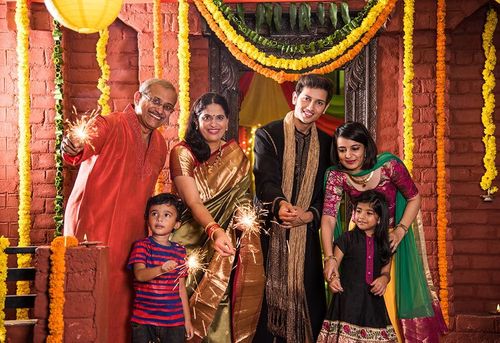

Table of Contents
- How are Festivals Beyond Celebration?
- Skills Children Learn from Festivals
- Emotional Intelligence and Life Lessons from Celebrating Fes
- Skills Children Learn from Celebrating Festivals on Their Ow
- How Festivals Help in Learning Lifeskills
- Real Life Examples: How Kids Learn Skills from Festivals
- Why Choose PlanetSpark for Developing Personality?
Throughout history, festivals have played a vital role in shaping societies, building cultural identities, and fostering connections among people. When it comes to children, these joyous occasions are more than moments of celebration as they are tremendous opportunities for holistic learning. This blog will highlight how festivals help teach valuable life skills to kids by developing their minds.
How are Festivals Beyond Celebration?
At first glance, festivals seem to be all about traditions, food, music, and fun-filled activities. However, beneath the surface lies a profound educational experience. Through every dance, ritual, craft, and story, festivals serve as experiential classrooms. The lessons learned during these times are often absorbed unconsciously, making the learning more organic and impactful.
For Example, during Durga Puja, children learn by observing the rituals around them. On the last day, which is Dashami, kids see everyone touching the feet of elders to take blessings and also participate in "sindoor khela". From this, kids quietly absorb the values such as respect, togetherness, emotional expressions, and cultural identity. Without any formal teaching, they understand how tradition brings people close and why showing respect, gratitude, seeking blessings, and celebrating as a community matters.
Skills Children Learn from Festivals
Festivals weave together a diverse tapestry of social, emotional, intellectual, and cultural skills. Here are some of the most valuable skills that children develop while celebrating festivals.
Social Intelligence
One of the first and most noticeable skills that children acquire is social intelligence. In the spirit of celebrations, whether with family at home or with peers at school, children learn about relationships, greetings, hospitality, cooperation, and the art of communication. These occasions encourage:
1. Greeting and welcoming others
2. Conversing with family and guests
3. Observing and mirroring positive social behaviours
Through repeated interactions, children become adept at reading social cues, expressing themselves appropriately, and forming meaningful bonds. Festivals are essentially social classrooms, where etiquette and empathy are organically taught.
Diversity and Awareness in Culture
Festivals are powerful media for creating cultural awareness among children. By participating in various celebrations, children witness a rich variety of traditions, values, and beliefs. This exposure helps them appreciate the diversity that exists in society and recognise the beauty of coexistence. Engaging with different festivals teaches kids:
1. Respect for diverse values and beliefs
2. Curiosity about customs and rituals
3. Understanding the historical and mythological narratives behind celebrations
Such awareness is not only crucial for harmonious living but also fosters acceptance and compassion, laying the foundation for global citizenship.
Collaboration and Teamwork
The collaborative spirit of festival preparations, such as decorating the house, planning events, and organising group activities, teaches children valuable lessons in teamwork. Whether working with siblings, cousins, or friends, children learn:
1. Delegating and sharing responsibilities
2. Cooperating to achieve a common goal
3. Managing resources and resolving conflicts
By being a part of the planning and execution, kids practice negotiation, problem-solving, and leadership, all while having fun.
Artistic Expression and Creativity
Festivals often foster opportunities for creative expression. Starting from crafting decorations and making traditional art to participating in performances and cooking festive treats. Children thrive in this environment as they:
1. Experiment with colours, materials, and textures
2. Learn traditional crafts, dance, and music
3. Develop fine motor skills and imaginative thinking
Creative activities not only help children connect with their cultural heritage but also boost confidence and emotional intelligence.
Emotional Intelligence and Life Lessons from Celebrating Festivals
Empathy and Compassion
Many festivals emphasise the values of giving, sharing, and caring for others, inculcating empathy in children. Participation in charitable events, donating to those in need, and sharing festive joy teach children to:
1. Recognise and appreciate the feelings of others.
2. Practice kindness and generosity.
3. Value community service and social responsibility.
These habits shape emotionally resilient and socially responsible individuals.
Patience and Self-Control
The anticipation and excitement leading up to festival days, the waiting for rituals to begin, and the observing of traditions all teach children patience. Festivals provide gentle lessons in:
1. Accepting delayed gratification.
2. Following routines and rituals that require discipline.
3. Managing excitement and emotions in social gatherings.
Such moments prepare children for waiting, listening, and maintaining composure in varied life contexts.
Respect and Gratitude
Festivals are occasions to express gratitude to family, community, nature, and heritage. Through thanking elders, appreciating helpers, and respecting rituals, children learn humility and reverence. These lessons foster a sense of belonging and perspective, cultivating mindful, grounded personalities.
Skills Children Learn from Celebrating Festivals on Their Own
Beyond the obvious life lessons, several key skills are learned through the nuances of festive celebrations.
Planning, Organisations, and Management
By helping plan and organise festival activities, children develop essential skills like:
1. Time management.
2. Budgeting and resource allocation.
3. Attention to detail.
They learn outline schedules, work within timeframes, and execute plans, which translates into improved organisational skills for academic and future professional success.
Unlock Your Child’s Leadership & Communication Skills — Book a Free Trial Class!
Language and Storytelling Skills
Most festivals are accompanied by storytelling sessions featuring mythological tales, legends, and folk stories. Such narratives help children:
1. Expand their vocabulary and learn various languages.
2. Improve listening and comprehension skills.
3. Spark imagination and creativity.
Children are also encouraged to narrate stories, recite poems, and communicate their experiences, enhancing their ability. to express themselves confidently.
Decision Making and Responsibility
Festival preparations often involve choices about what to wear, what gifts to give, or which activities to participate in. Children learn to:
1. Make decisions based on preferences and context.
2. Take responsibility for tasks (like decoration or invitations).
3. Think critically and evaluate options.
Handling such decision-making processes prepares children for independent living and responsible adulthood.
How Festivals Help in Learning Lifeskills
The role and importance of festivals in developing life skills is profound and multi-layered. Here are some of the most important reasons why festivals are pivotal in nurturing well-rounded children.
Emotional Well-being and Resilience
Celebrations are associated with joy, laughter, music, and togetherness, all of which contribute to children’s emotional health. Participating in festivals helps children:
1. Build positive memories and social connections.
2. Develop coping skills for stress and anxiety.
3. Experience acceptance, love, and bonding.
A happy emotional environment is proven to enhance brain development and resilience, preparing children for life's ups and downs.
Gain Values and Ethics
Festivals encapsulate core values such as honesty, gratitude, kindness, and respect. By observing and participating in rituals, children internalise ethics that guide them through adulthood. This moral education is crucial for responsible citizenship and social harmony. For example, during Diwali, kids touch the feet of elders and seek their blessings. Even if no one explains them, they do them and thus learn respect towards their elders.
Developing General Awareness
From learning about traditions, geographical nuances, and mythologies to understanding environmental sustainability (like eco-friendly celebrations), festivals expand children’s general awareness. They become more observant, informed, and sensitive to global challenges. For example, during Ganesh Chaturthi, many families use eco-friendly clay models instead of plastic or any other materials. Children notice this change and learn why clay is better for rivers and lakes. and also understand how plastic pollution harms fish and water, and why celebrating responsibly matters.
Maximise Learning Experience Through Festivals
Parents and educators play a vital role in enriching children's festival experience. Here’s how they can ensure that celebrations double as valuable lessons:
1. Involve children in planning and organising festivities.
2. Share stories and explain the meaning behind rituals.
3. Encourage curiosity about diverse customs and traditions.
4. Promote inclusive celebrations representing various cultures and faiths.
By making celebrations participatory, reflective, and inclusive, adults maximise the learning potential of festivals.
Real Life Examples: How Kids Learn Skills from Festivals
Diwali
- Creativity through crafting diyas and making rangolis.
- Teamwork during family cleaning and decoration.
- Gratitude and responsibility are shown by sharing sweets and greetings with others.
Christmas
- Empathy by participating in giving and charity.
- Communication through singing carols and storytelling.
- Organisational skills through planning gift exchanges.
Holi
- Social bonding with community play.
- Respect for nature via eco-friendly colour use.
- Patience in observing safety rules.
Eid
- Compassion through sharing feasts and gifts with the less fortunate.
- Understanding diversity through community prayers.
- Practising cultural etiquette and respect.
Why Choose PlanetSpark for Developing Personality?
As festivals naturally teach children values, confidence, and social behaviour through real-life experiences, PlanetSpark takes this learning to the next level with a structured and research-backed personality development curriculum. Here’s why parents must choose PlanetSpark to shape the confidence of their kids:
- Holistic Growth Beyond Academics
PlanetSpark focuses on essential life skills like self-introduction, communication, etiquette, goal setting, leadership, and critical thinking skills that kids do not learn in traditional classrooms but need for future success. - SEL-Based Curriculum for Emotional Intelligence
Developed on the globally recognised CASEL framework, PlanetSpark helps kids understand emotions, build healthy relationships, and make responsible decisions, just as they do during festivals. - Activity-based learning
Kids learn through mock interviews, role-play, journaling, feedback exchange, and real-life simulations, making every class engaging and practical. - Social Etiquette and Leadership
With empathy and assertiveness toward teamwork and responsibility, PlanetSpark helps every kid develop leadership qualities. With posture correction techniques, eye contact training, tone control, and polite communication, children naturally become more confident speakers. - Parents Consultations and Confidence Tracking
Parents receive regular updates through a confidence meter that serves as a progress tracker for openness, clarity in expression, emotional maturity, and leadership, ensuring transparency and measurable growth.
Conclusion: Develop Personality and Celebrate Festivals with PlanetSpark
The ultimate significance of festivals lies in their power to transform ordinary moments into extraordinary learning experiences for children. By celebrating festivals, children develop a rich knowledge of valuable skills from social intelligence and empathy to creativity and organisational prowess. These lifelong lessons, prepared in a structured curriculum by PlanetSpark, are taught in an organised, playful manner to every kid to groom and develop their personality.