
Handling a Toxic Workplace Exit

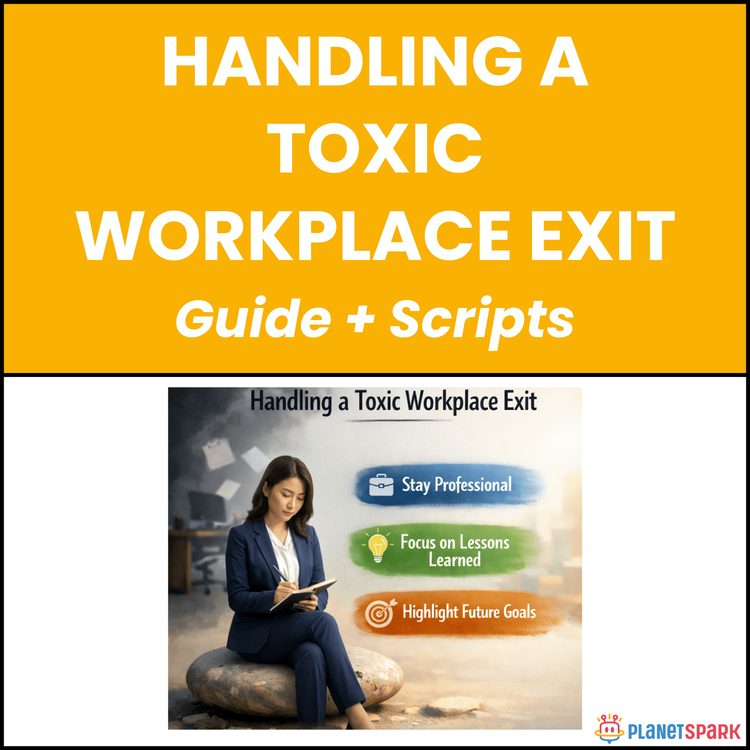
Handling a Toxic Workplace Exit
How to Exit a Toxic Workplace with Confidence and Professionalism: Your Complete Playbook
Feeling trapped in a toxic workplace can be overwhelming, but staying in it can be even worse for your health and career. Whether it’s gaslighting, micromanagement, or a culture of unfair treatment, leaving a toxic job is one of the most emotionally challenging decisions you can face. But it doesn’t have to be chaotic or damaging to your professional reputation. This guide provides a structured, strategic approach to exiting a toxic work environment while protecting your career trajectory and mental health.
Who Is This Resource For?
This resource is perfect for professionals across various career stages:
- Career changers seeking a clean break from a toxic environment
- Managers, consultants, and early-to-mid career employees in high-pressure roles
- Job seekers or those contemplating a difficult exit from a harmful workplace
- Professionals who prefer a practical, step-by-step guide over abstract advice
What Does This Resource Contain?
This comprehensive guide walks you through three crucial phases of exiting a toxic workplace:
1. Before You Leave – Recognizing toxicity, building your evidence file, securing finances, and preparing your exit strategy.
2. During Your Exit – How to craft a resignation letter, manage difficult conversations (e.g., counter-offers, guilt trips), and handle exit interviews.
3. After You Leave – Recovering emotionally, crafting your exit narrative, managing references, and evaluating future job opportunities through a “toxicity lens.”
Each phase includes practical tools such as checklists, reflection prompts, and step-by-step scripts designed to make the process as smooth and professional as possible.
Summary of the Resource
If you're considering leaving a toxic job, this guide offers clear, actionable steps. It helps you assess the toxicity of your current role, prepares you for the emotional and professional challenges of leaving, and offers strategies for transitioning to a healthier workplace. With real-world examples, templates, and strategies, you’ll have everything you need to exit on your terms and start a new chapter in your career.
How Will This Resource Be Useful?
This guide provides clear, structured support during a highly emotional process. It empowers you to make decisions based on logic, not emotion, ensuring that you:
- Leave your toxic job on your terms with minimal professional fallout
- Maintain or rebuild your career trajectory after leaving a harmful environment
- Navigate the exit process without burning bridges, ensuring strong future references
How Should You Use This Resource?
- Phase 1: Before You Leave – Spend time identifying the signs of toxicity, documenting your experiences, and securing your financial stability before making any decisions.
- Phase 2: During Your Exit – When you're ready to resign, use the resignation letter templates and conversation scripts to keep things professional and calm.
- Phase 3: After You Leave – Take time to process your feelings, craft a positive exit narrative, and evaluate new job opportunities with a “toxicity lens.”
You can read the entire guide for a comprehensive understanding or jump to the section that’s most relevant to where you are in your exit journey.
Action Steps
- Before You Leave:
- Build your evidence file and document toxic incidents.
- Audit your finances and start your job search quietly.
- Update your resume and LinkedIn profile.
- During Your Exit:
- Write a professional resignation letter.
- Practice conversation scripts for the resignation meeting.
- Prepare for the exit interview.
- After You Leave:
- Rebuild your career narrative to explain your exit strategically.
- Identify and brief your references before applying for new jobs.
- Evaluate your next role through the lens of company culture and toxicity.
Closing
Leaving a toxic workplace is never easy, but doing so professionally, strategically, and with confidence can set you up for long-term success. It’s not about giving up — it’s about leveling up. Armed with the tools in this guide, you can navigate this challenging transition with clarity and purpose.