How to Manage Communication Across Multiple Channels Effectively

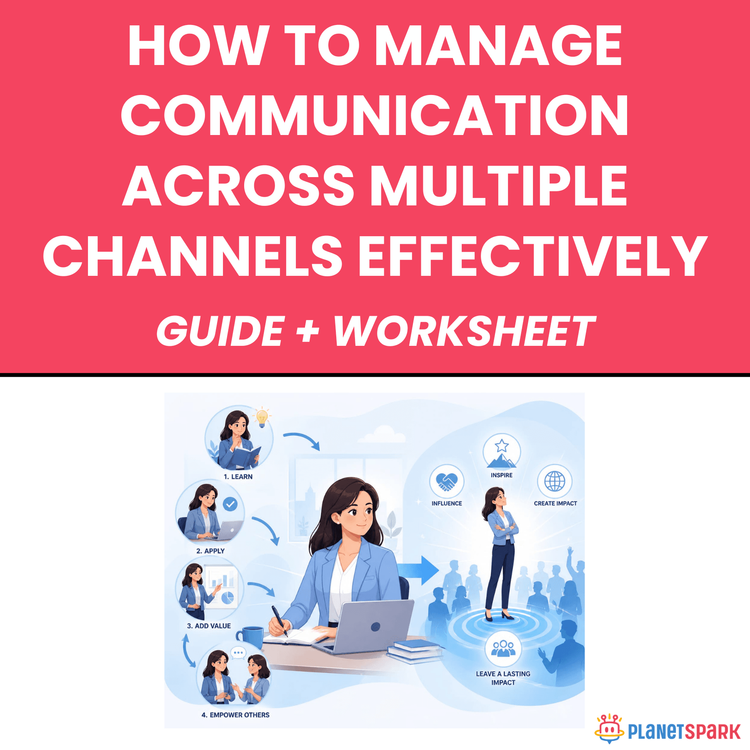
How to Manage Communication Across Multiple Channels Effectively
Manage Communication Across Multiple Channels Effectively: A Professional's Guide
As a modern working professional, you’re constantly switching between communication platforms—whether it’s managing Slack messages, drafting emails, hopping onto video calls, or responding to LinkedIn messages. Each platform has its own set of rules, expectations, and audience preferences, and getting it wrong can lead to confusion, misunderstandings, and even damaged relationships. This is why mastering communication across multiple channels is more important than ever. In this guide, you'll learn a practical, repeatable system to communicate clearly and effectively across different platforms, ensuring that your messages land with the right impact, every time.
Who Is This Resource For?
This resource is tailored for busy professionals who want to improve their communication skills, regardless of the channel they use:
- Early to mid-career professionals who need to manage communication across a range of platforms.
- Managers and leaders coordinating across teams and external stakeholders.
- Consultants and clients who are constantly juggling multiple communication streams.
- Anyone who feels overwhelmed by the sheer volume and variety of messages they send and receive every day.
Whether you're an individual contributor or a senior leader, effective communication across multiple channels is a critical skill for building relationships, managing projects, and driving your career forward.
What Does This Resource Contain?
This guide provides a structured approach to managing multi-channel communication with a focus on clarity, consistency, and professionalism. Here’s a breakdown of what you’ll find:
- A Communication Channel Audit to understand how and where you're communicating right now.
- A Channel Selection Framework to choose the right platform for each type of message.
- Tone and Format Guidelines for email, Slack, video calls, LinkedIn, and more.
- Templates and Tools to help you communicate quickly and effectively across different channels.
- A Stakeholder Communication Map to align your message with audience preferences.
This toolkit also includes worksheets and actionable steps to help you implement these strategies in real-time.
Summary of the Resource
The guide *How to Manage Communication Across Multiple Channels Effectively* equips you with the tools to ensure your communication is clear, purposeful, and impactful across any platform. With actionable steps like channel selection frameworks, tone calibration guides, and personalized templates, this resource helps you optimize every communication you send—from emails to face-to-face meetings.
How Will This Resource Be Useful?
By using this resource, you’ll achieve:
- Consistency Across Channels: You’ll learn how to apply the right tone and format for each platform, ensuring that your message is always on-point.
- Improved Professional Relationships: By respecting your audience’s preferred channels and communication styles, you’ll build stronger, more trusting relationships.
- Enhanced Efficiency: With clear guidelines and templates for different communication scenarios, you’ll save time and reduce confusion.
- Increased Credibility: Professionals who communicate clearly and consistently are trusted more by clients, colleagues, and leaders alike.
This guide helps you eliminate the stress and confusion that comes with multi-channel communication, allowing you to focus on what really matters: getting your message across with impact.
How Should You Use This Resource?
To get the most from this guide, follow these steps:
1. Conduct a Communication Audit: Begin by completing the Communication Channel Audit to understand where you're currently communicating and how effective each channel is.
2. Select the Right Channels: Use the Channel Selection Framework to ensure you’re using the most appropriate medium for each message.
3. Apply Tone and Format Guidelines: Follow the tonal and formatting tips for each channel to ensure your message resonates with your audience.
4. Create Your Personal Communication System: Fill out the Personal Communication System Worksheet to develop habits and boundaries that streamline your communication.
5. Review Regularly: Communication needs change, so revisit your system quarterly to make adjustments and continue improving.
By following this framework, you’ll begin building a communication strategy that works across all platforms.
Action Steps
Ready to start mastering communication across multiple channels? Follow these immediate steps:
1. Complete Your Communication Channel Audit and identify which channels you use most and where you can improve.
2. Design Your Personal Communication System using the worksheet provided to set clear expectations for response times, message organization, and channel boundaries.
3. Apply the Channel Selection Framework to a current project or conversation to ensure you're using the right platform.
4. Test Out the Templates for a real-life email or Slack message to ensure you’re applying the tone and format guidelines correctly.
5. Share Your System with Your Team: Communicate your new communication boundaries and response times to your colleagues or manager to align expectations.
By completing these steps, you’ll begin to build a consistent, effective communication system that works across all the platforms you use.
In today’s fast-paced professional world, the ability to manage communication across multiple channels is essential. It’s not just about what you say—it’s about how and where you say it. By implementing the strategies and tools outlined in this guide, you’ll develop a system for multi-channel communication that builds trust, increases productivity, and boosts your professional credibility.
Communication mastery is within your reach. Start applying these principles today and watch as your communication becomes more impactful and efficient, no matter the platform.