
How to Structure Concise and Clear Interview Responses

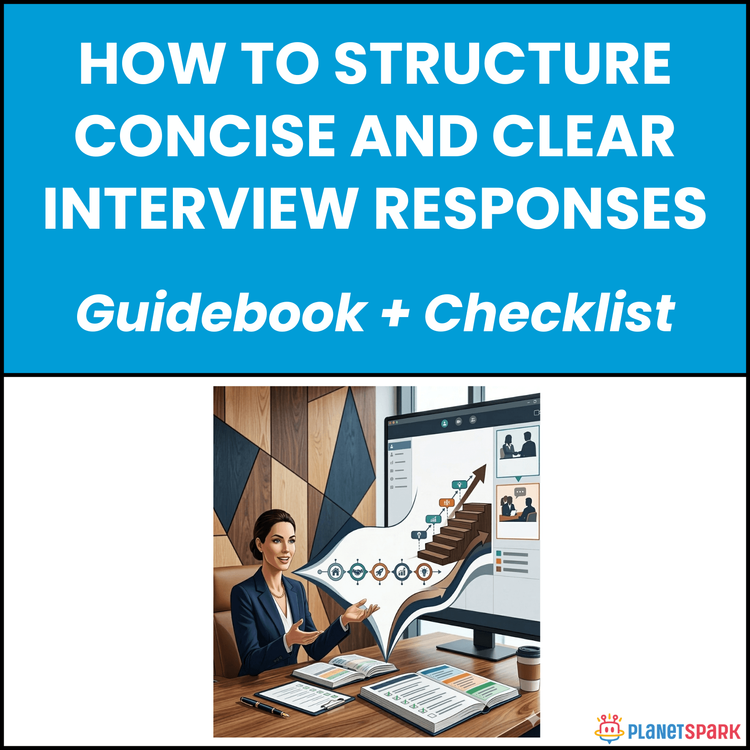
How to Structure Concise and Clear Interview Responses
Structure Clear and Concise Interview Answers That Hiring Managers Remember
You may have years of professional experience, strong achievements, and a solid track record — yet still walk out of interviews feeling that your answers did not fully land.
This happens more often than most professionals realize. The issue is rarely a lack of skill or experience. Instead, the problem is how that experience is communicated.
Interviewers make judgments quickly. A response that is structured, focused, and concise signals confidence and leadership potential. On the other hand, long or unfocused answers can bury your strongest achievements and leave the interviewer unsure about your real impact.
The guidebook “How to Structure Concise and Clear Interview Responses” was designed to solve this exact challenge. It helps working professionals transform strong experiences into clear, memorable answers that demonstrate impact and relevance during interviews. :contentReference[oaicite:0]{index=0}
Who Is This Resource For?
This resource is designed for professionals who want to improve how they communicate their experience during interviews.
It is particularly useful for:
• Early-career professionals preparing for their first structured interviews
• Mid-career professionals seeking promotions or role transitions
• Job seekers who struggle with long or unfocused answers
• Career switchers translating experience into a new industry
• Consultants and managers who must demonstrate leadership and results
If you have ever felt that your answer was “technically correct” but still not convincing, this guide helps close that gap.
What Does This Resource Contain?
The guidebook provides practical frameworks and tools that help professionals structure interview responses with clarity and confidence.
Key elements include:
The STAR-C Answer Framework
The resource introduces STAR-C — Situation, Task, Action, Result, and Connection — a structured method that helps professionals explain their experience clearly while directly linking it to the role they are pursuing. :contentReference[oaicite:1]{index=1}
Step-by-Step Response Structure
Readers learn how to organize answers logically so that interviewers quickly understand the context, your responsibility, the actions you took, and the impact you created.
The 90-Second Answer Blueprint
The guide explains how strong interview answers usually fall between 90 and 120 seconds and provides a timing blueprint to balance context, action, and results effectively.
Answer Builder Worksheet
A structured template helps professionals build a personal library of strong interview stories in advance, reducing the need to improvise during interviews.
Pre-Interview Preparation Checklist
The resource provides a practical checklist to help professionals review their stories, research the role, and prepare their answers before the interview.
In-Interview Communication Tips
The guide also highlights small but powerful habits — such as pausing before answering and closing responses with a clear connection to the role.
Summary of the Resource
This resource focuses on one essential interview skill: structuring answers so that your experience becomes clear, concise, and memorable.
Instead of improvising responses under pressure, professionals learn to:
• Organize their answers using a proven framework
• Highlight their personal contribution clearly
• Demonstrate measurable results
• Connect past experience directly to the role they want
• Deliver answers within a clear and professional time frame
The guide transforms interview preparation from guesswork into a repeatable communication system.
How Will This Resource Be Useful?
Many capable professionals struggle in interviews because their answers lack structure. Even strong experiences can lose impact when they are delivered without focus.
This resource helps professionals improve how they present their work and achievements.
By applying the techniques in this guidebook, readers can:
Communicate their experience with greater clarity
Demonstrate leadership, decision-making, and ownership
Provide measurable evidence of impact
Avoid overly long or unfocused answers
Show interviewers exactly how their experience fits the role
These improvements can significantly influence how hiring managers evaluate candidates in competitive hiring processes.
How Should You Use This Resource?
To get the most value from this guidebook, professionals should treat it as a working tool rather than a passive read.
Step 1: Read the Guide for Understanding
Start by reading the full guide to understand how structured interview answers work.
Step 2: Build Your Story Bank
Use the worksheet template to prepare six to eight strong career stories that demonstrate leadership, collaboration, and results.
Step 3: Apply the STAR-C Framework
Rewrite your stories using the Situation, Task, Action, Result, and Connection structure.
Step 4: Practice Answer Delivery
Speak your answers out loud and time them to ensure they remain within the recommended 90-second structure.
Step 5: Prepare for the Specific Role
Adapt your stories to the competencies and responsibilities described in the job description.
Step 6: Use the Checklists Before Interviews
Review the quick reference framework and preparation checklist shortly before your interview.
Consistent practice helps transform structured answering into a natural communication habit.
Action Steps
If you want to begin improving your interview answers immediately, start with these steps:
1. Identify six strong professional experiences from your career.
2. Structure each story using the STAR-C framework.
3. Add clear, measurable results to each story.
4. Practice delivering your answers within 90 seconds.
5. Review your answers and refine them after every interview.
These small preparation steps can significantly improve how confidently and clearly you communicate during interviews.
Clear communication is one of the most valuable professional skills. When you learn to structure your answers effectively, your experience becomes easier for interviewers to understand and evaluate.
The frameworks in this guidebook help professionals turn their experience into clear, confident stories that demonstrate impact. With preparation and practice, structured answers become second nature — and interviews become opportunities to showcase your real professional value.