Body Language Worksheet for Class 4: Let Your Body Do the Talking!
Public SpeakingClass 4Free DownloadPDF

Aanchal SoniVisit Profile
I’m a fun-loving TESOL certified educator with over 10 years of experience in teaching English and public speaking. I’ve worked with renowned institutions like the British School of Language, Prime Speech Power Language, and currently, PlanetSpark. I’m passionate about helping students grow and thrive, and there’s nothing more rewarding to me than seeing them succeed.
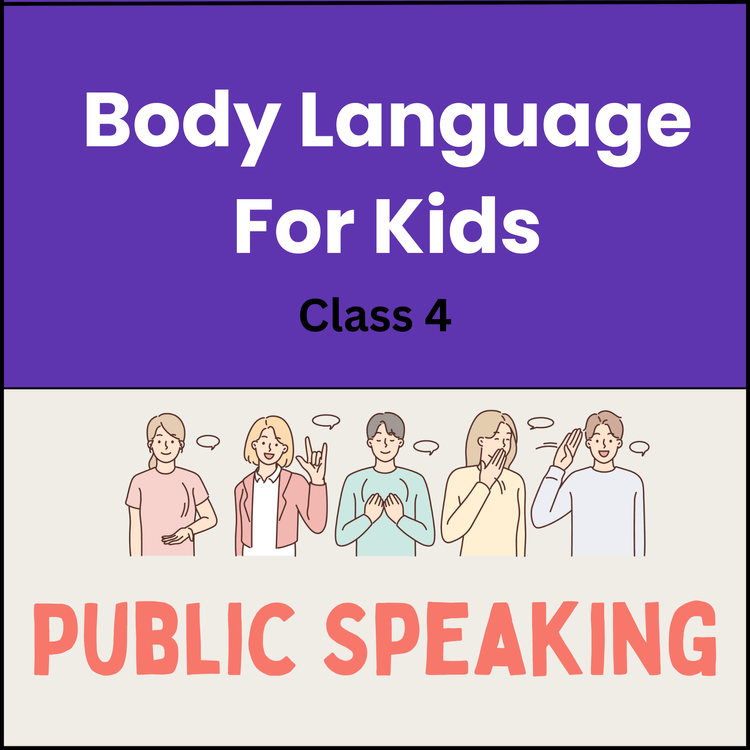
Body Language Worksheet for Class 4: Let Your Body Do the Talking!
Public SpeakingClass 4Free DownloadPDF
Aanchal SoniVisit Profile
I’m a fun-loving TESOL certified educator with over 10 years of experience in teaching English and public speaking. I’ve worked with renowned institutions like the British School of Language, Prime Speech Power Language, and currently, PlanetSpark. I’m passionate about helping students grow and thrive, and there’s nothing more rewarding to me than seeing them succeed.
What Is Body Language?
Body language is the way we express ourselves without using words. It includes posture, eye contact, facial expressions, and hand movements. Positive body language helps us look confident, friendly, and ready to speak.
Learning Objectives
By completing this worksheet, students will:
Understand what body language is
Identify confident and unconfident body language
Learn how posture and eye contact improve speaking
Practise positive body language habits
What’s Inside This Worksheet?
This worksheet is divided into clear sections to make learning easy and fun:
Observe & Explain: Think and answer based on real situations
Choose What Helps: Identify confident body language
Match the Skills: Connect body language with its effect
Choose the Best Response: Select the most confident action
Who Can Practise This Worksheet?
This worksheet is designed for Grade 4 students.
It is ideal for children learning:
Classroom presentations
Public speaking basics
Storytelling and discussions
Everyday communication skills
Why Is Practising Body Language Important?
Good body language helps students:
Speak with confidence
Keep listeners interested
Reduce nervous habits
Communicate clearly without fear
Practising these skills early builds strong communication for school and life.
Answer Key
(For teacher/parent reference only)
Section 1: Observe & Explain
Mehul’s body language makes him look nervous and unsure, causing classmates to feel distracted.
Bent shoulders, avoiding eye contact, and fidgeting with hands show low confidence.
Standing straight improves confidence, makes speech clearer, and helps engage the audience.
Section 2: Choose What Helps / Match the Skills
Tick the Confident Body Language:
Standing straight
Making eye contact
Smiling naturally
Correct Option (Confidence While Speaking):
Standing straight
Match the Body Language with Its Effect:
Eye contact → Builds connection
Slouching → Looks unsure
Section 3: Choose the Best Response
Make eye contact with listeners
Stand straight
Be used naturally
Frequently Asked Questions
Learning body language helps children speak confidently, connect with others, and make presentations more engaging.
Yes! Practising these activities helps shy students become more comfortable and expressive in front of a group.
Students will learn confidence, awareness of gestures, proper posture, and effective non-verbal communication skills.
Absolutely! The worksheet uses simple examples and fun exercises ideal for young learners.