A Fun Worksheet to Overcome Stage Fear! For Class 4
Public SpeakingClass 4Free DownloadPDF

Aanchal SoniVisit Profile
I’m a fun-loving TESOL certified educator with over 10 years of experience in teaching English and public speaking. I’ve worked with renowned institutions like the British School of Language, Prime Speech Power Language, and currently, PlanetSpark. I’m passionate about helping students grow and thrive, and there’s nothing more rewarding to me than seeing them succeed.
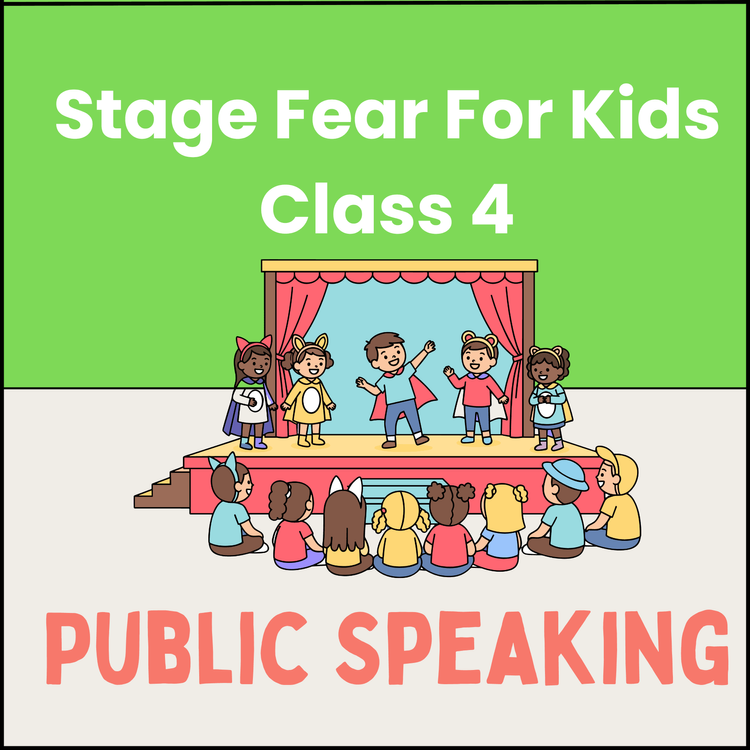
A Fun Worksheet to Overcome Stage Fear! For Class 4
Public SpeakingClass 4Free DownloadPDF
Aanchal SoniVisit Profile
I’m a fun-loving TESOL certified educator with over 10 years of experience in teaching English and public speaking. I’ve worked with renowned institutions like the British School of Language, Prime Speech Power Language, and currently, PlanetSpark. I’m passionate about helping students grow and thrive, and there’s nothing more rewarding to me than seeing them succeed.
What Is Stage Fear?
Stage fear is the nervous or scared feeling a person gets before speaking or performing in front of others. Children may feel shaky, forget their lines, or worry about making mistakes. This feeling is normal and can be managed with practice and simple calming techniques.
What’s Inside This Worksheet?
This worksheet includes observation-based questions, multiple-choice activities, and matching exercises. Students learn to identify signs of stage fear and practise simple strategies like deep breathing, positive thinking, and confident body language.
Who Can Practise This Worksheet?
This worksheet is ideal for Grade 4 students. It is useful for children who are beginning public speaking, participating in school assemblies, debates, or classroom presentations.
Importance of Practising This Worksheet
Regular practice helps students recognise their nervous feelings and respond positively. It builds confidence, improves stage presence, and prepares children to speak calmly and clearly in front of an audience.
ANSWER KEY (For Parents and Educators)
Section 1: Observe & Explain
1. What signs of stage fear does Aarav show?
Aarav feels nervous, his hands are shaking, his voice feels weak, and his mind goes blank.
2. Why do speakers often feel stage fear before performing?
Speakers fear making mistakes, being judged by the audience, or forgetting what to say.
3. How can slow breathing help Aarav feel calmer?
Slow breathing helps relax the body, control nervousness, and improve focus.
Section 2: Choose What Helps / Match the Skills
Tick What Helps Reduce Stage Fear
✔ Practising the speech
✔ Taking deep breaths
✘ Thinking about failure repeatedly
✔ Staying positive
Choose the Correct Option
Correct Answer: Take slow breaths
Match the Situation with the Correct Solution
Feeling nervous → Take deep breaths
Forgetting lines → Pause and continu
Section 3: Choose the Best Response
1. You feel very nervous before your speech begins
✔ Take a deep breath and start calmly
2. You forget one sentence while speaking
✔ Pause and continue confidently
3. The audience is watching you closely
✔ Smile and begin confidently
Frequently Asked Questions
Yes, many children feel nervous before speaking. With practice, it becomes easier.
Yes, deep breathing, preparation, and positive thinking help reduce stage fear.
It builds confidence, communication skills, and self-belief from a young age.